 ATLASEAS
Landed, graded, frozen.
Twenty trawlers land octopus, cuttlefish and squid at our plant in Nouakchott, where the catch is graded and frozen for export. Octopus is the core of the trade, alongside a selected range of Atlantic fish from FAO Zone 34.
Request the catalogue →The Mauritanian shelf
Cold, upwelling water rises along the Mauritanian shelf and feeds one of the principal Octopus vulgaris stocks in the Atlantic. That cold-water feeding is what gives the octopus here its character: firm, dense flesh, low in water, high in cooking yield — and consistent from one lot to the next.
Landed and boxed.
Octopus — graded T1–T8, frozen and boxed at our plant in Nouakchott. Shot on the line, as it ships: trays, blocks and export cartons. Cuttlefish, squid and the full size range are detailed in the catalogue.
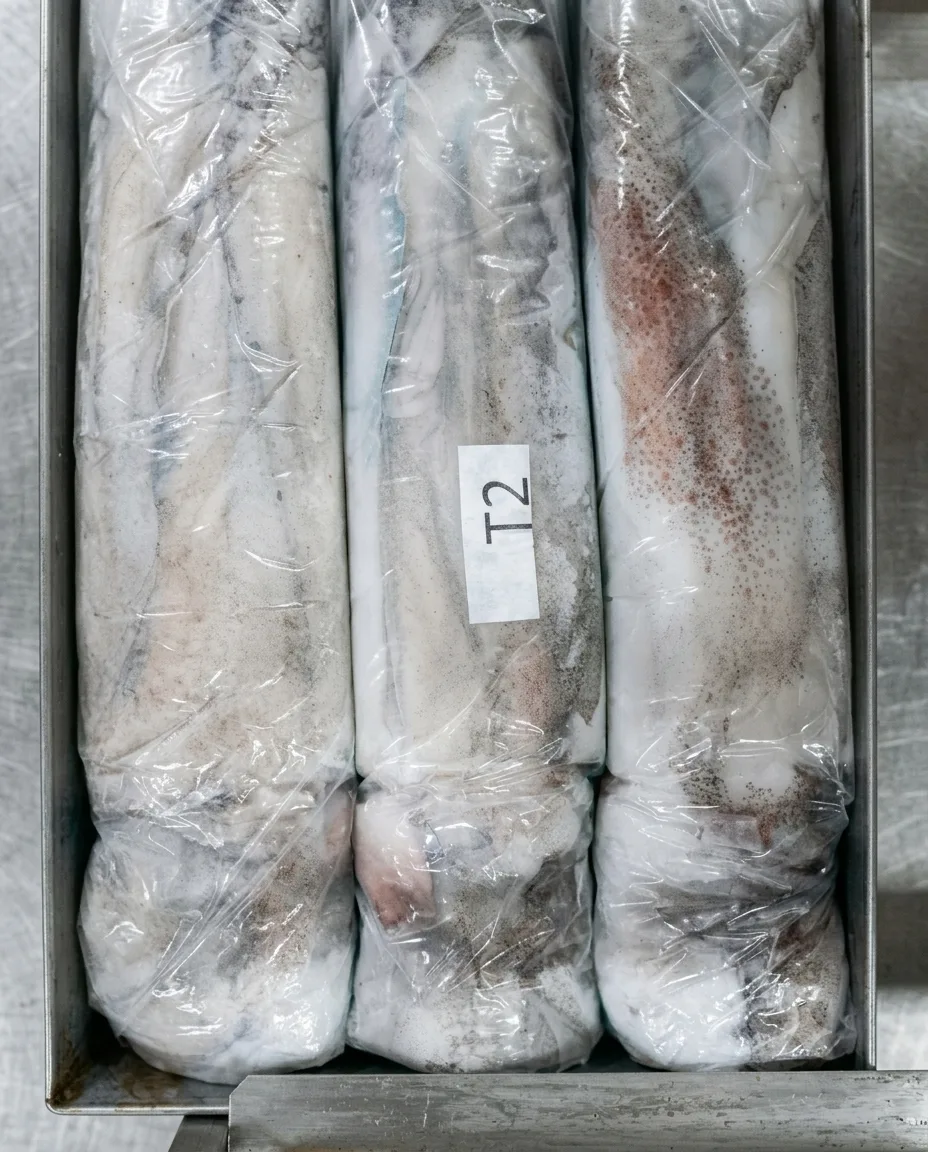
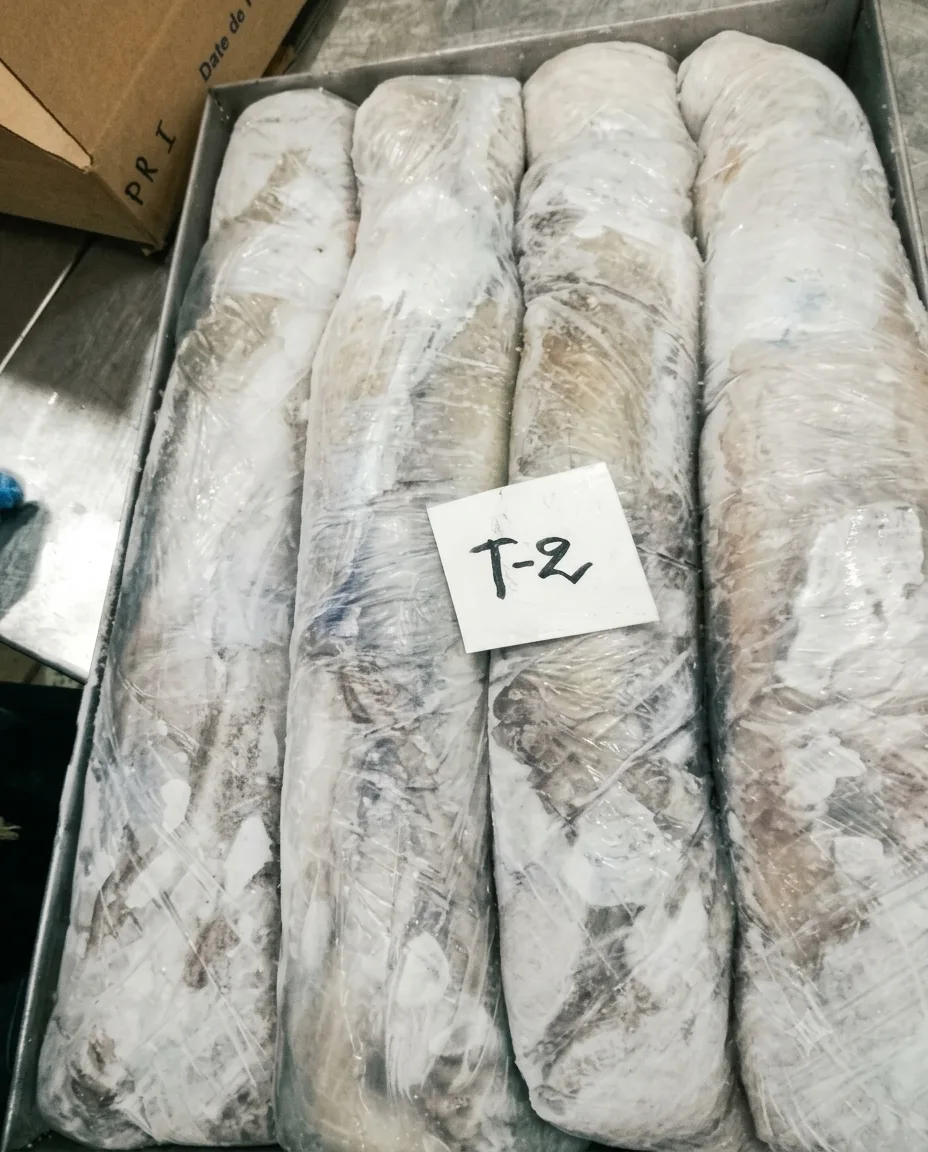
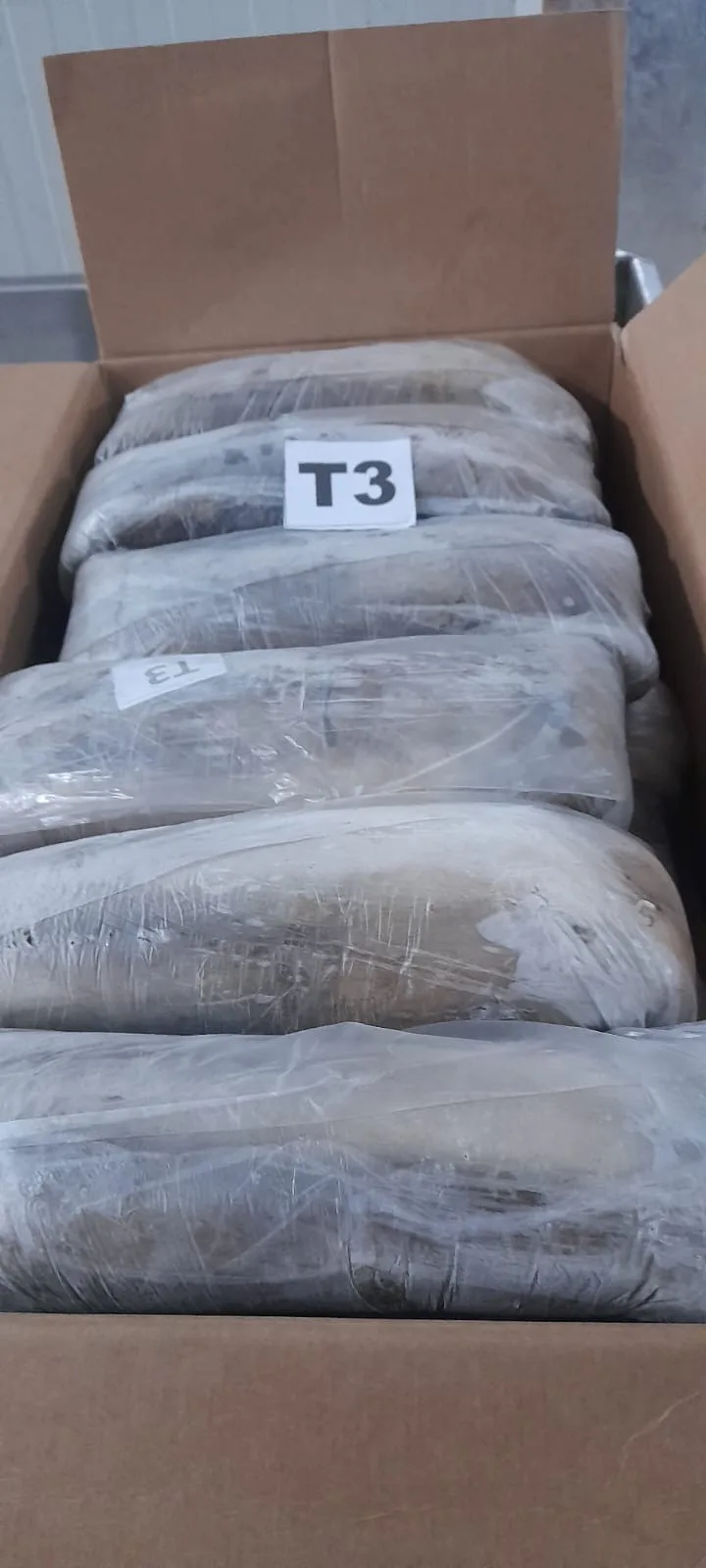
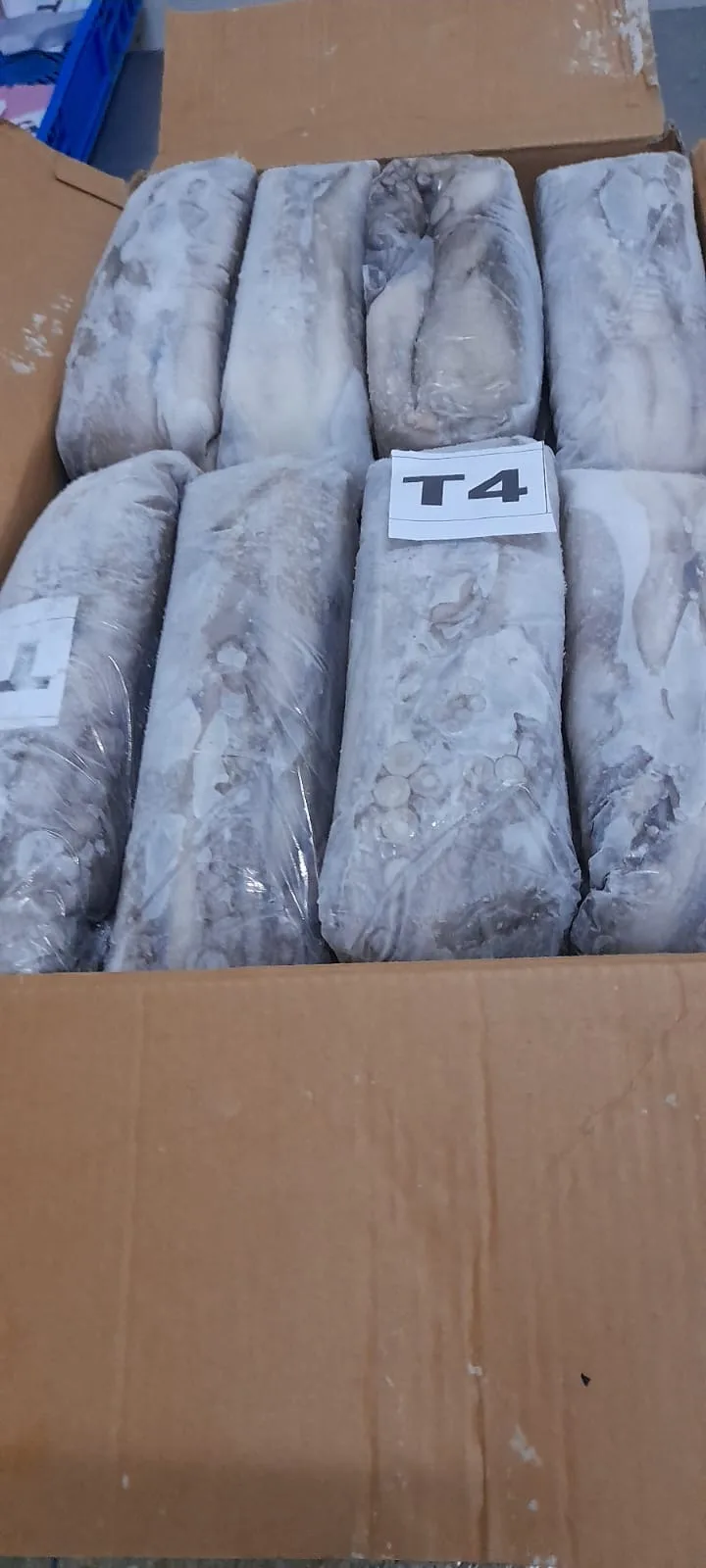
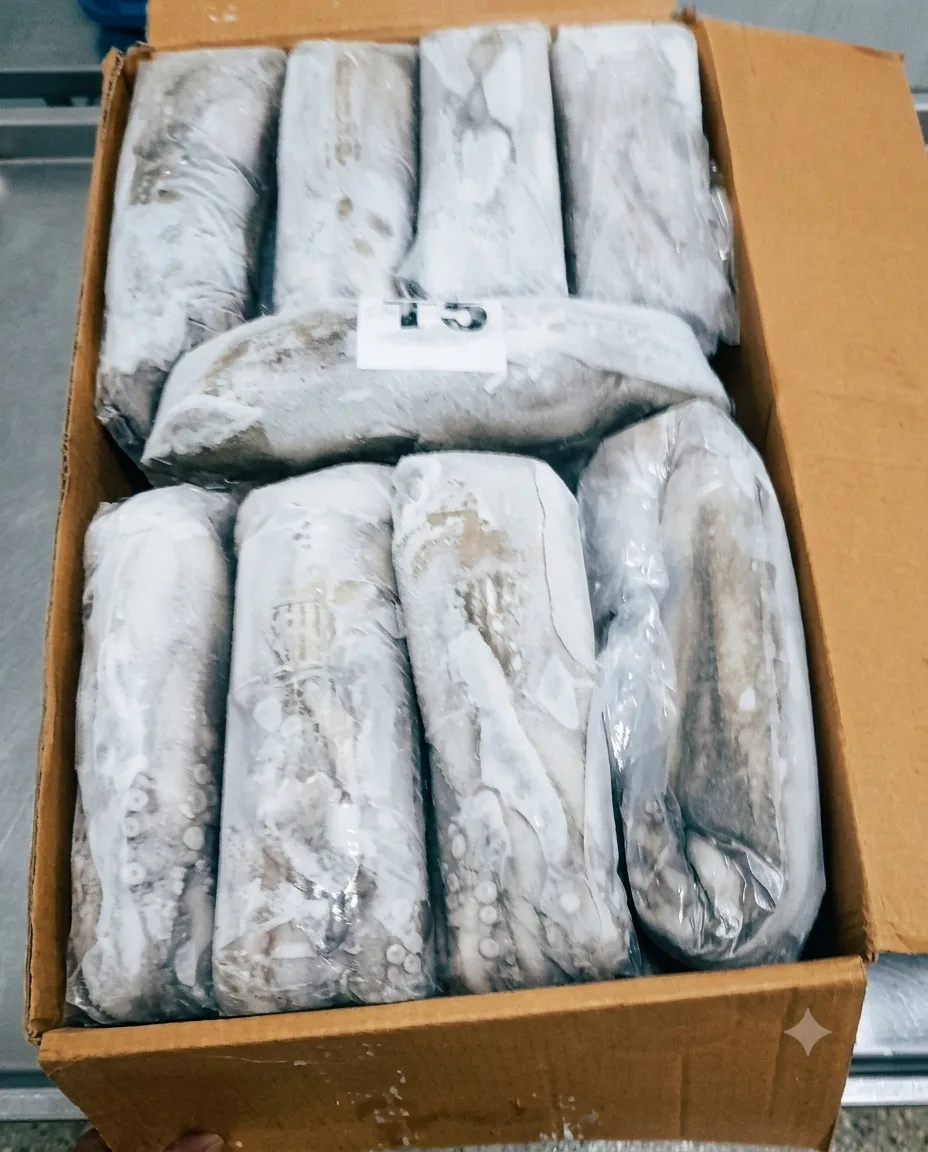
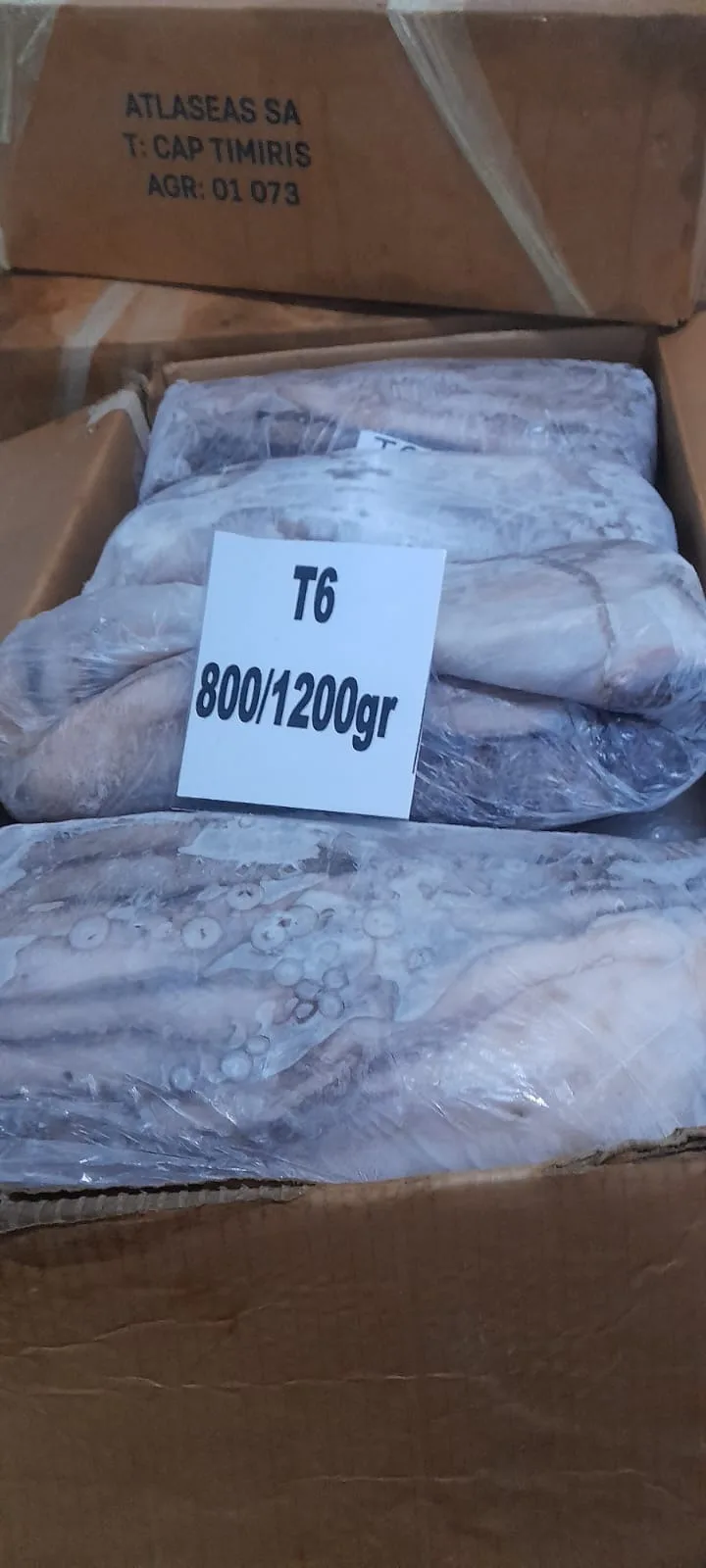
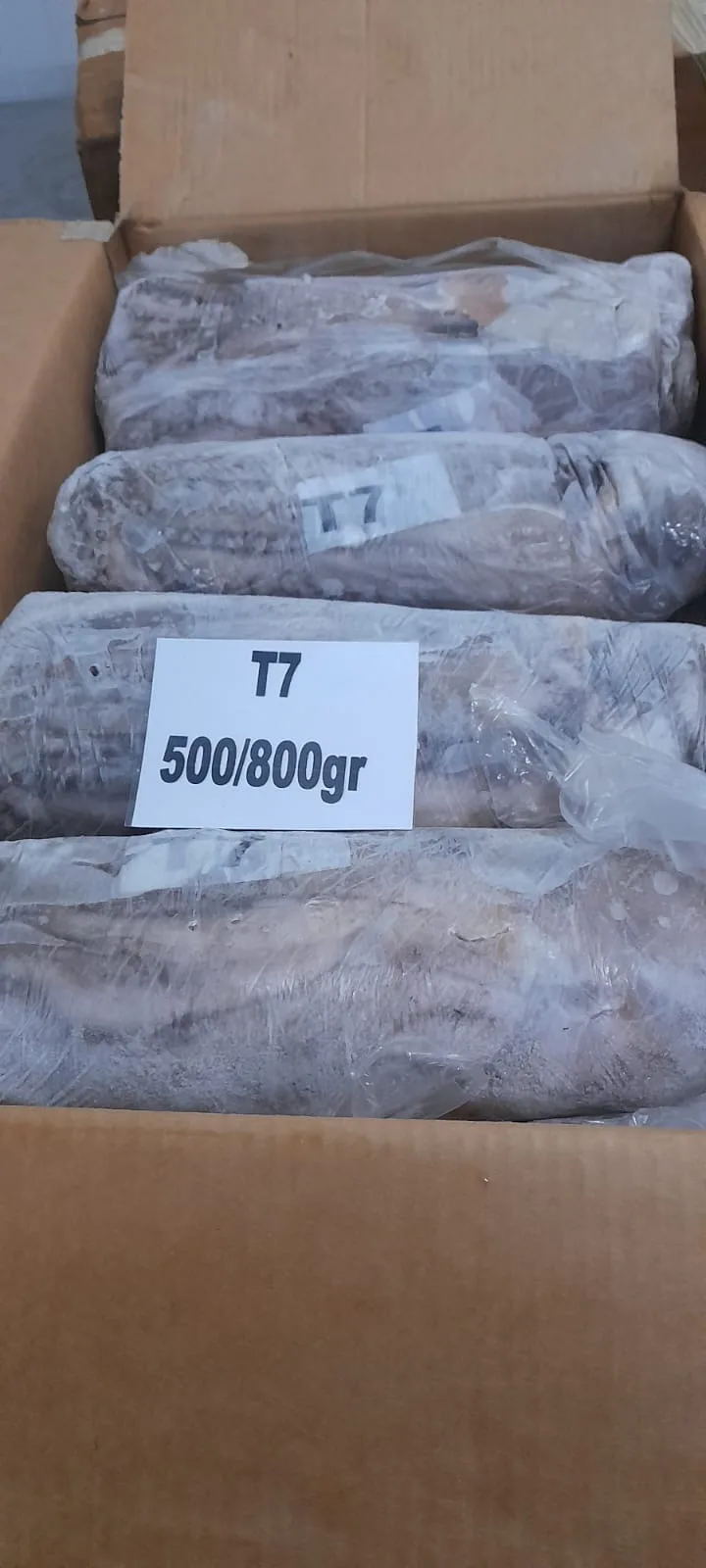
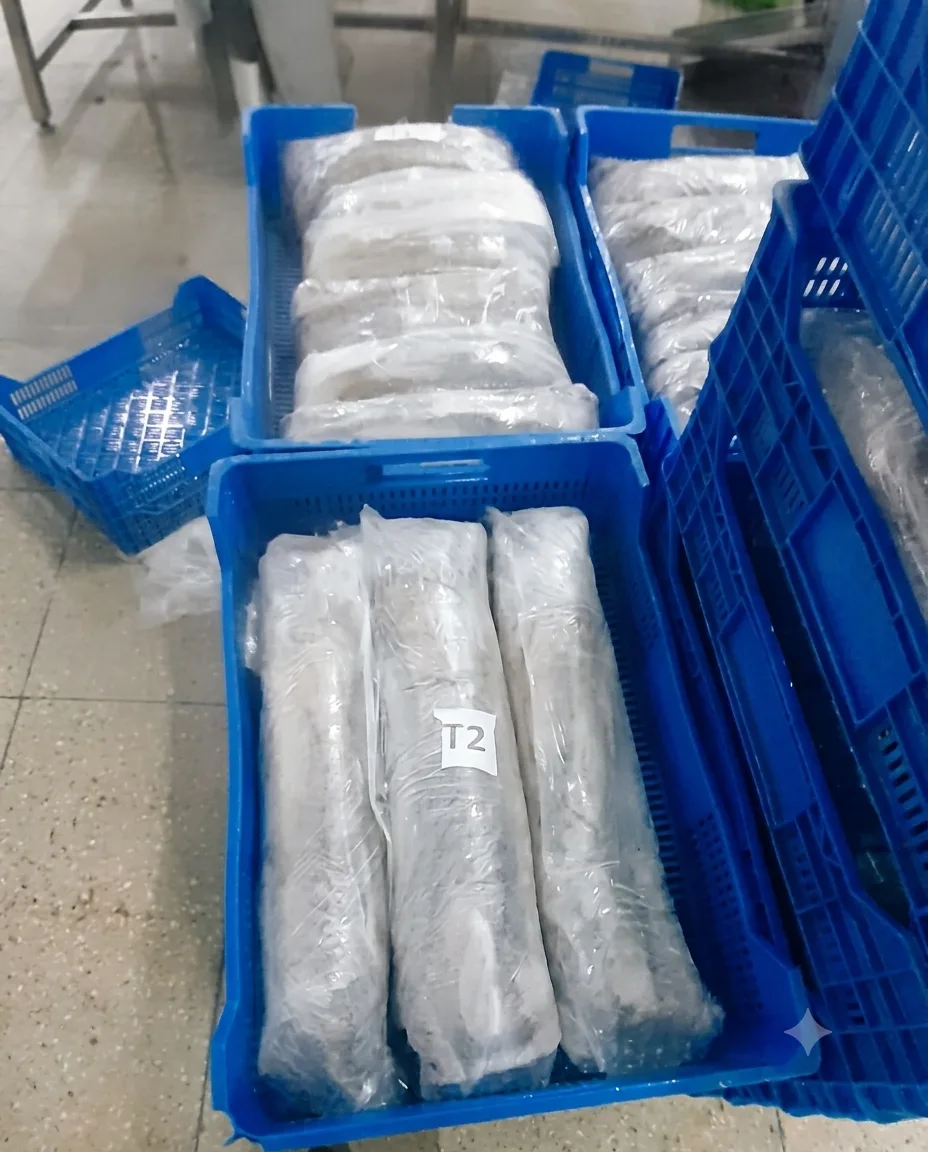
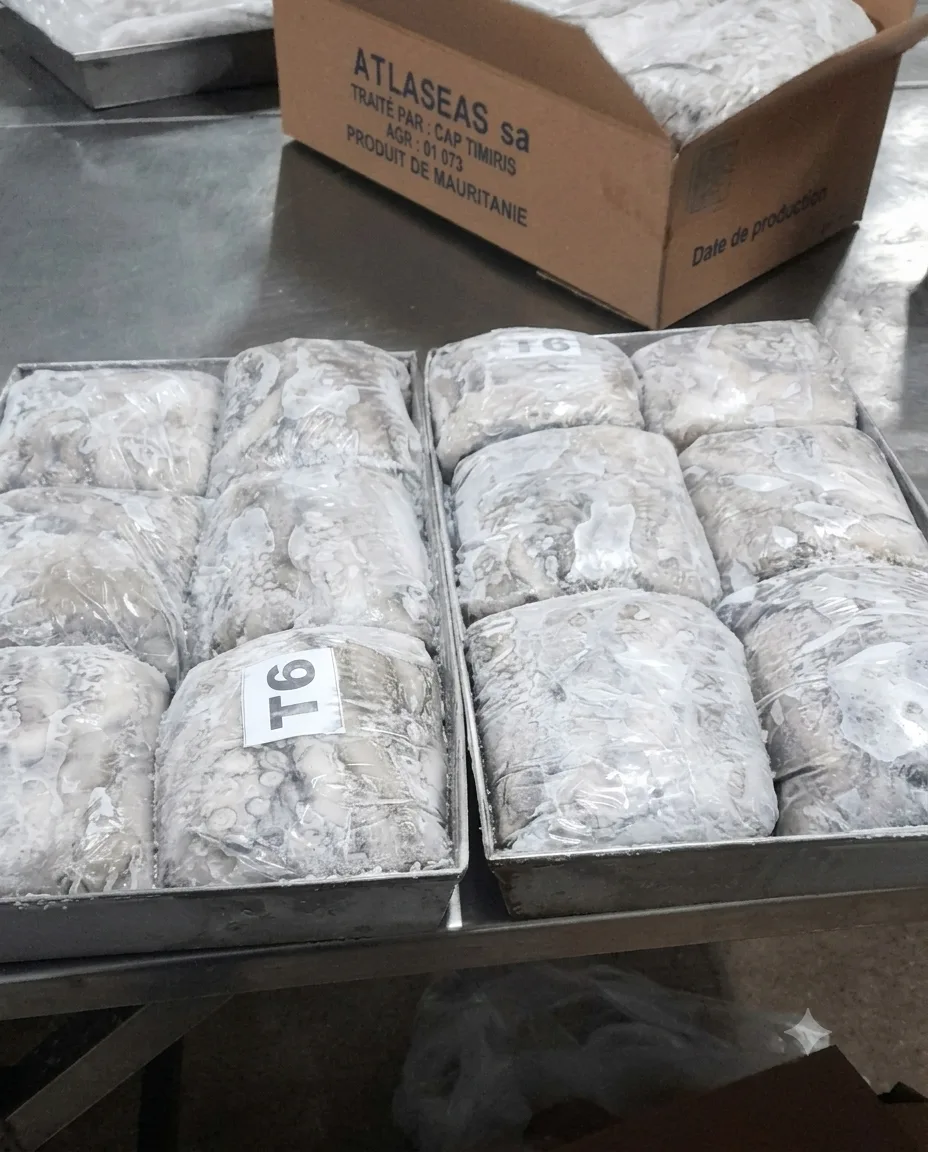
From landing to container.
Reception
Our trawlers fish in trips of several days. When a boat comes in, its catch is landed in Nouakchott and received at the plant the same day, before grading begins.
Grading
Every lot is sorted and sized as it comes in: by grade for octopus and cuttlefish, and to the buyer’s specification for fish.
Freezing and storage
The catch is frozen at the plant, IQF or in blocks, then held at export temperature until the container is loaded.
Documentation
Every shipment leaves with its papers in order: EU-model health certificate, certificate of origin and full lot documentation, loaded in reefer containers at the port of Nouakchott.
Fishing grounds: the Mauritanian shelf, Eastern Central Atlantic — FAO Zone 34.
Fishing grounds
Eastern Central Atlantic, FAO Zone 34. Our trawlers work the Mauritanian shelf; the catch is landed, graded and frozen in Nouakchott and shipped from its port.
ATLASEAS is a family firm in Nouakchott. The people who run the boats and the plant are the ones who handle your contracts directly.
Tell us your specification.
Tell us what you need — species, sizes, presentation, volume and destination port — and our commercial team will come back with a firm offer.